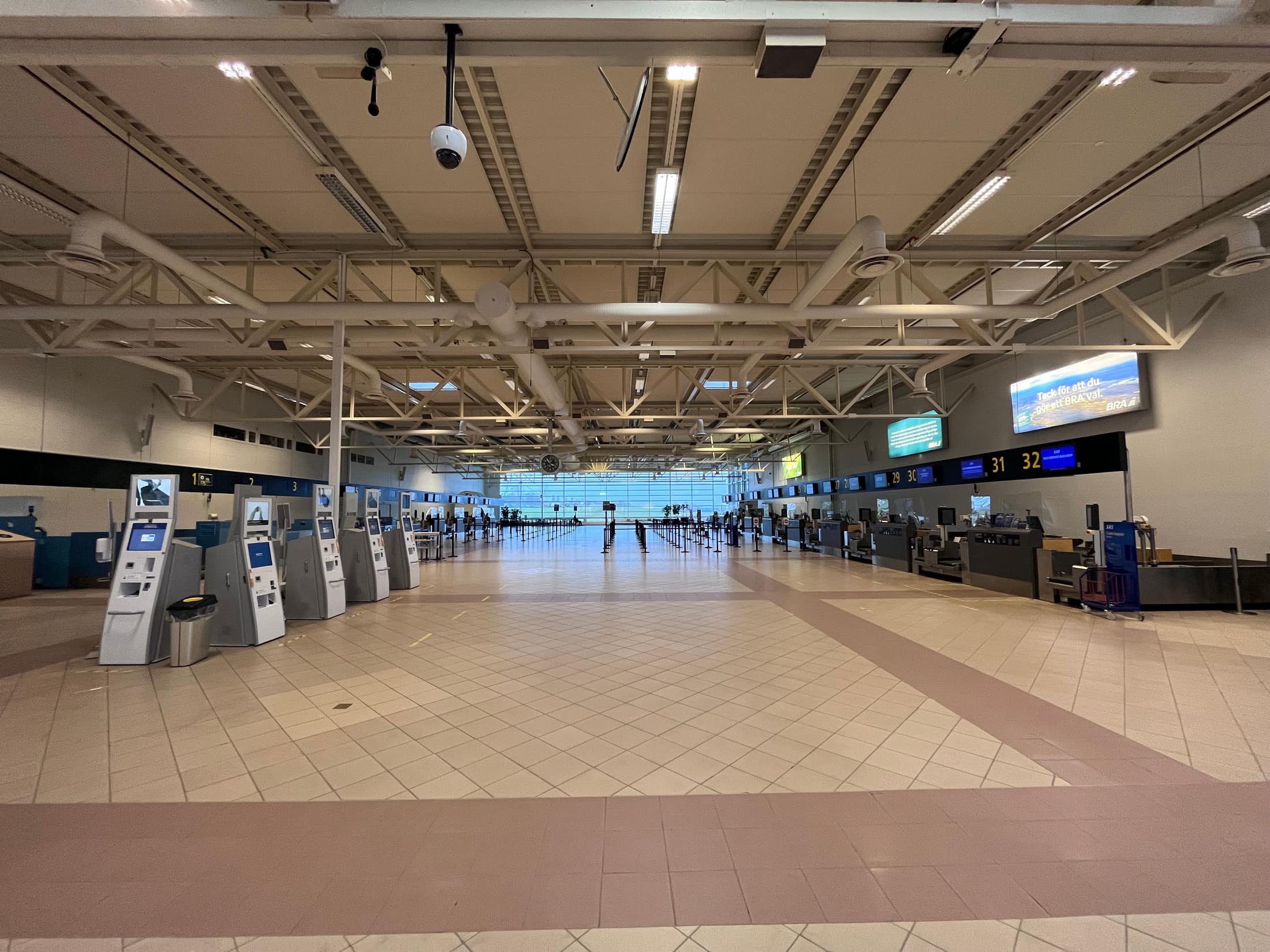
Airport transfers
Meeting a flight, or leaving for one. The useful parts of the request are the airport, the flight number and the full address at the other end — the flight number because a delayed arrival changes the plan.

Private car and driver — Italy
Airport arrivals and departures, journeys between Italian cities, cruise-port connections, days out on an itinerary of your own, and selected routes beyond the border. Tell us the journey and the date, and you get a written quotation for that journey.
Every journey is quoted on its own and depends on a driver being available for your date. A quotation request is not a booking — nothing is held until the arrangement is confirmed in writing.

What can be requested
Eight kinds of request cover almost everything that arrives. Each one needs slightly different details to be quoted properly, and each is a section of its own below or on a page still being written.
Meeting a flight, or leaving for one. The useful parts of the request are the airport, the flight number and the full address at the other end — the flight number because a delayed arrival changes the plan.
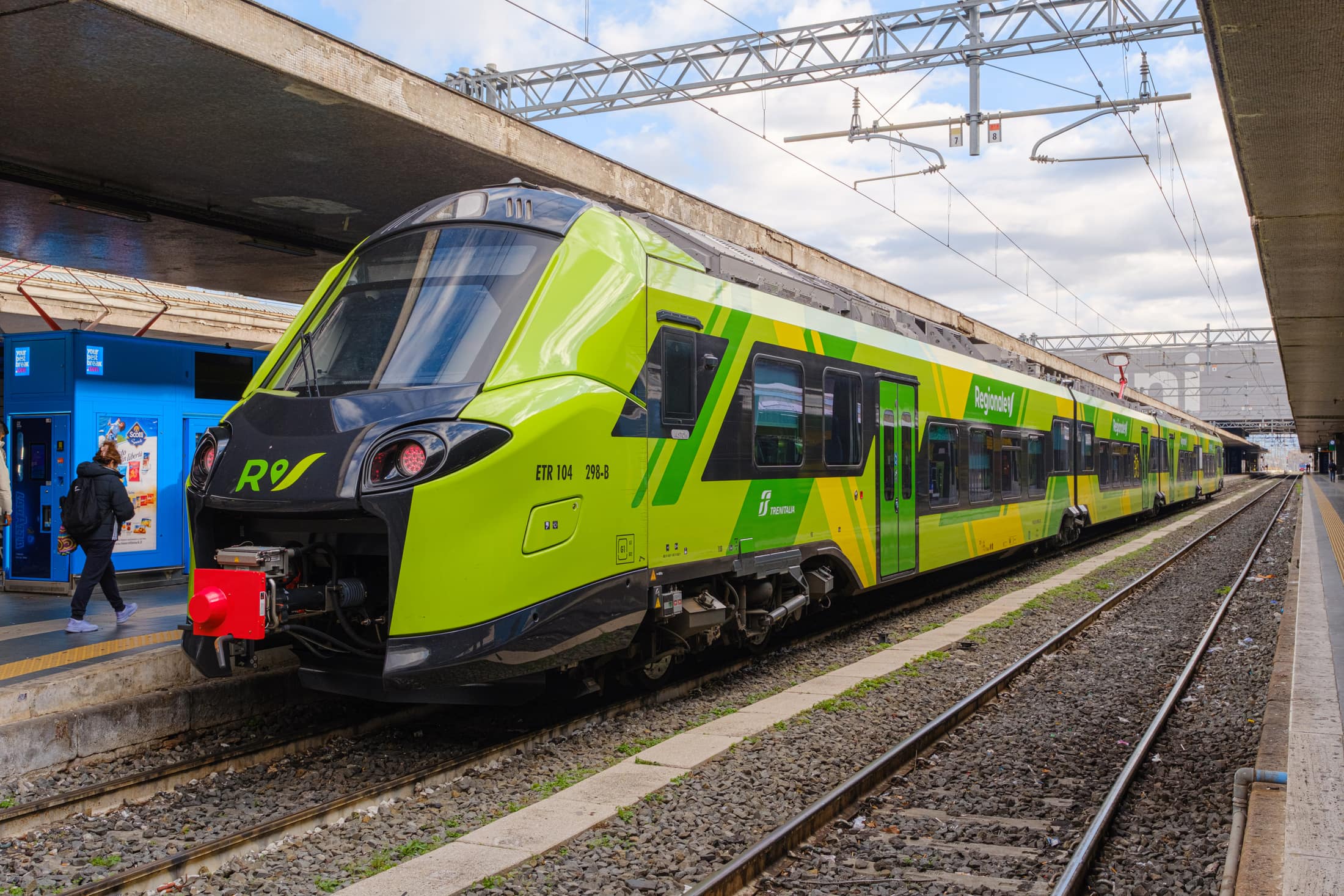
Italy's main-line stations are large and have more than one entrance. Which station, and which side of it, is what makes a station pickup work; the platform end of the walk is always on foot.
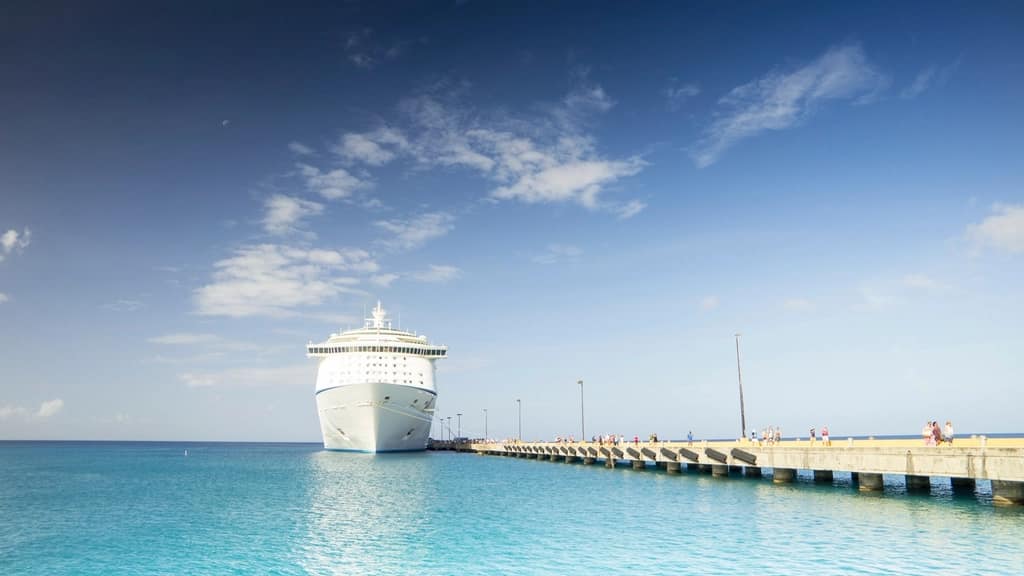
Cruise calls are made at working commercial ports, and the berth is assigned by the port and the line. The terminal printed on your documents is the thing that decides the drive.
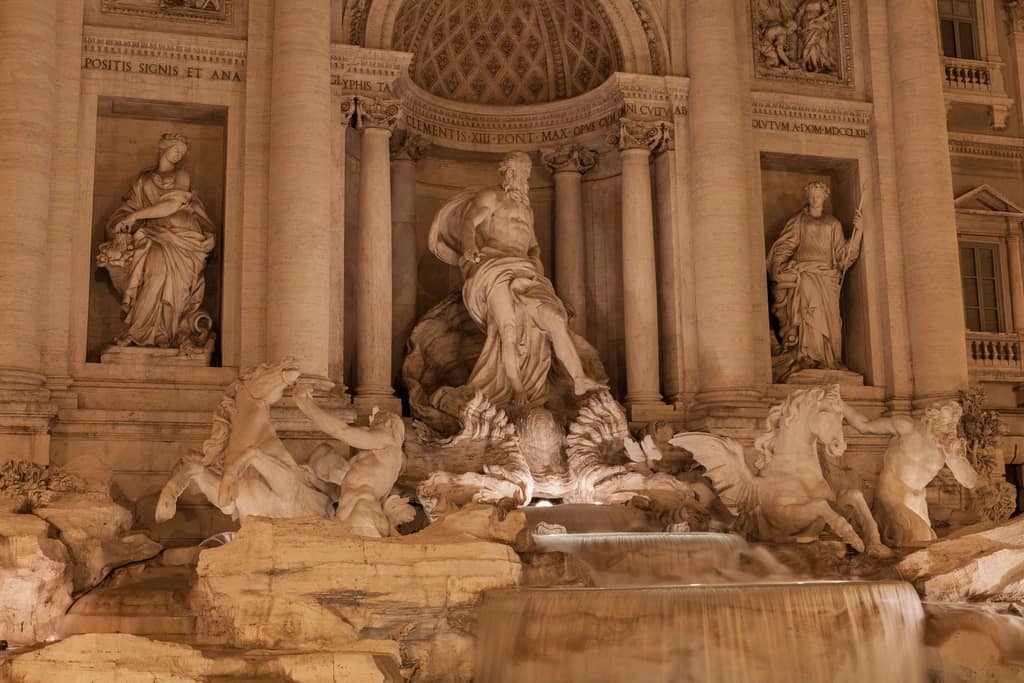
Door to door where the address allows it. Several Italian historic centres restrict vehicle access, so the exact street and number matter far more than the name of the district.
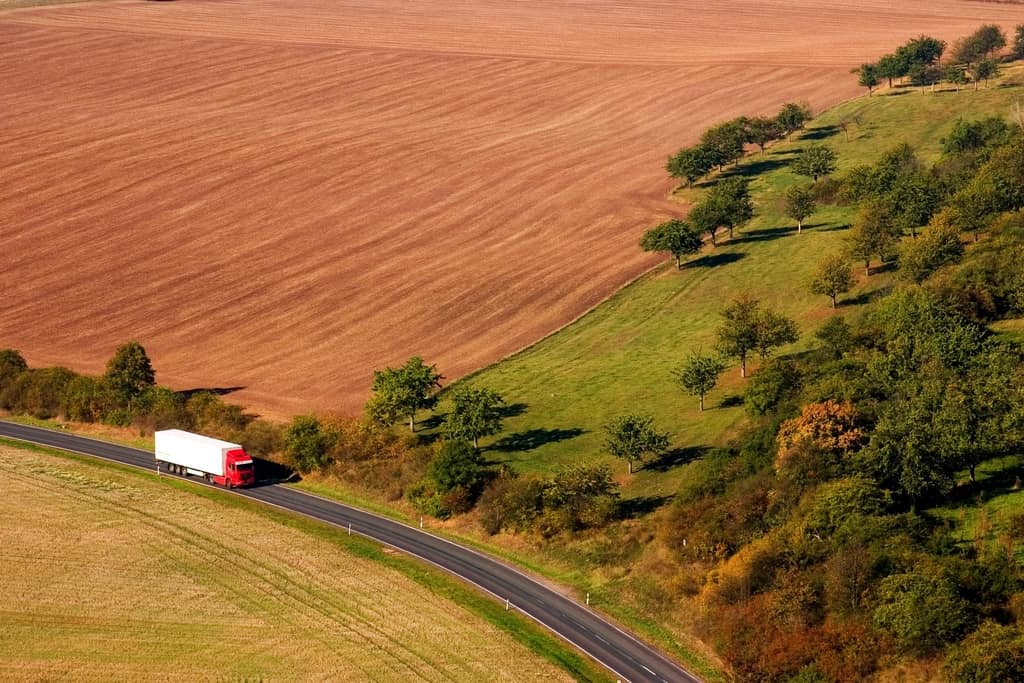
City to city in one vehicle: your luggage stays in the boot, there are no changes along the way, and the day is yours rather than a timetable's.
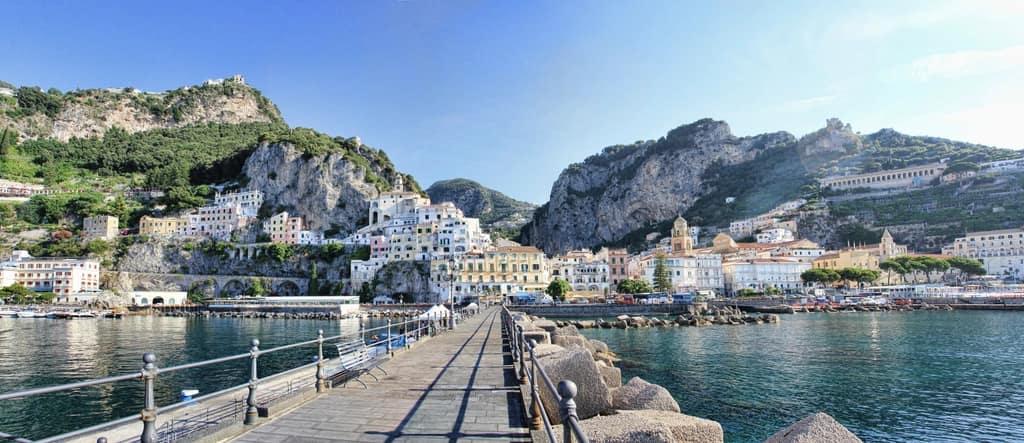
Some journeys carry on past the Italian border. They are quoted route by route and are subject to confirmation — tell us at the time of asking if a journey leaves Italy.
A day shaped around where you want to go, with the stops you ask for and the time you want to set off. We drive it; we are not a tour operator and we do not sell admissions.
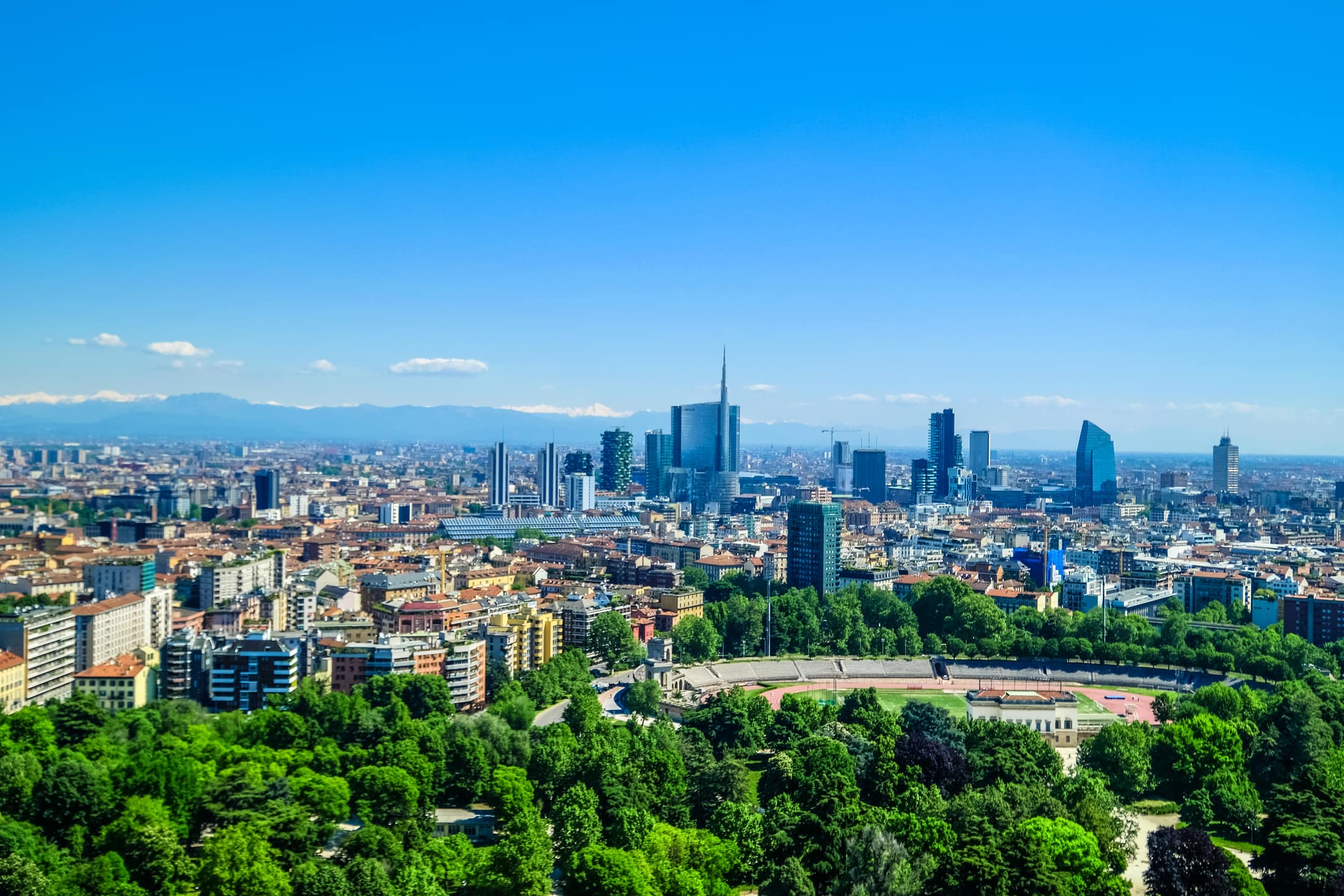
Meetings, exhibitions and conference days — usually several addresses in an order that matters, sometimes with the party splitting during the day.
Where people are going
The places we are asked about most often. Rome, Milan, Venice and Florence each have pages of their own — their airports and stations, and the port, lake, lagoon and countryside that go with them. Puglia and Sicily are covered as regions rather than cities, because that is how they are travelled. Anywhere not named here can still be requested through a quotation.
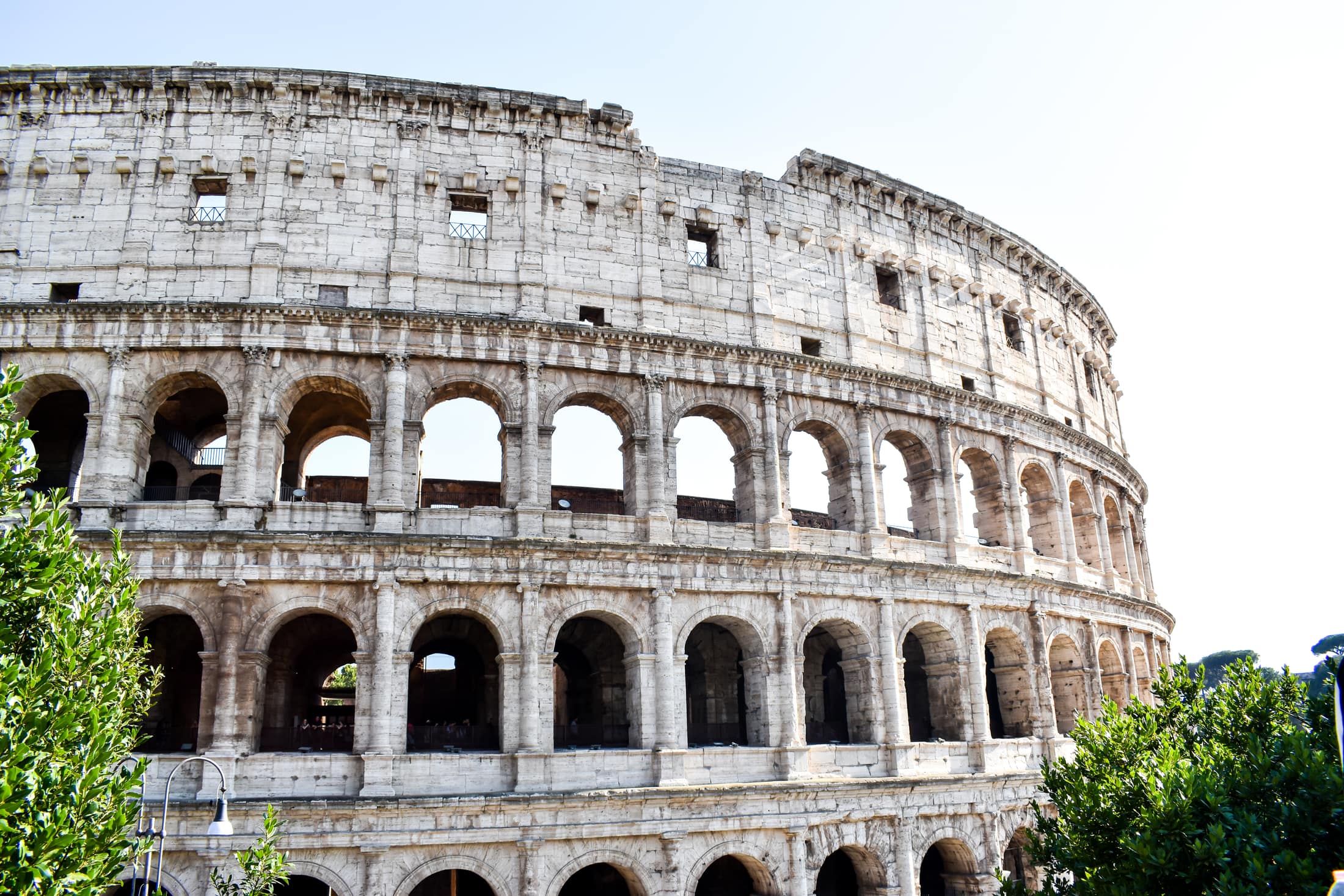
Two airports, a cruise port an hour up the coast at Civitavecchia, and a historic centre with access rules that decide where a car can stop.
Three airports sold under the city's name, only one of which is close to it, and the exhibition traffic that comes with Rho Fiera.
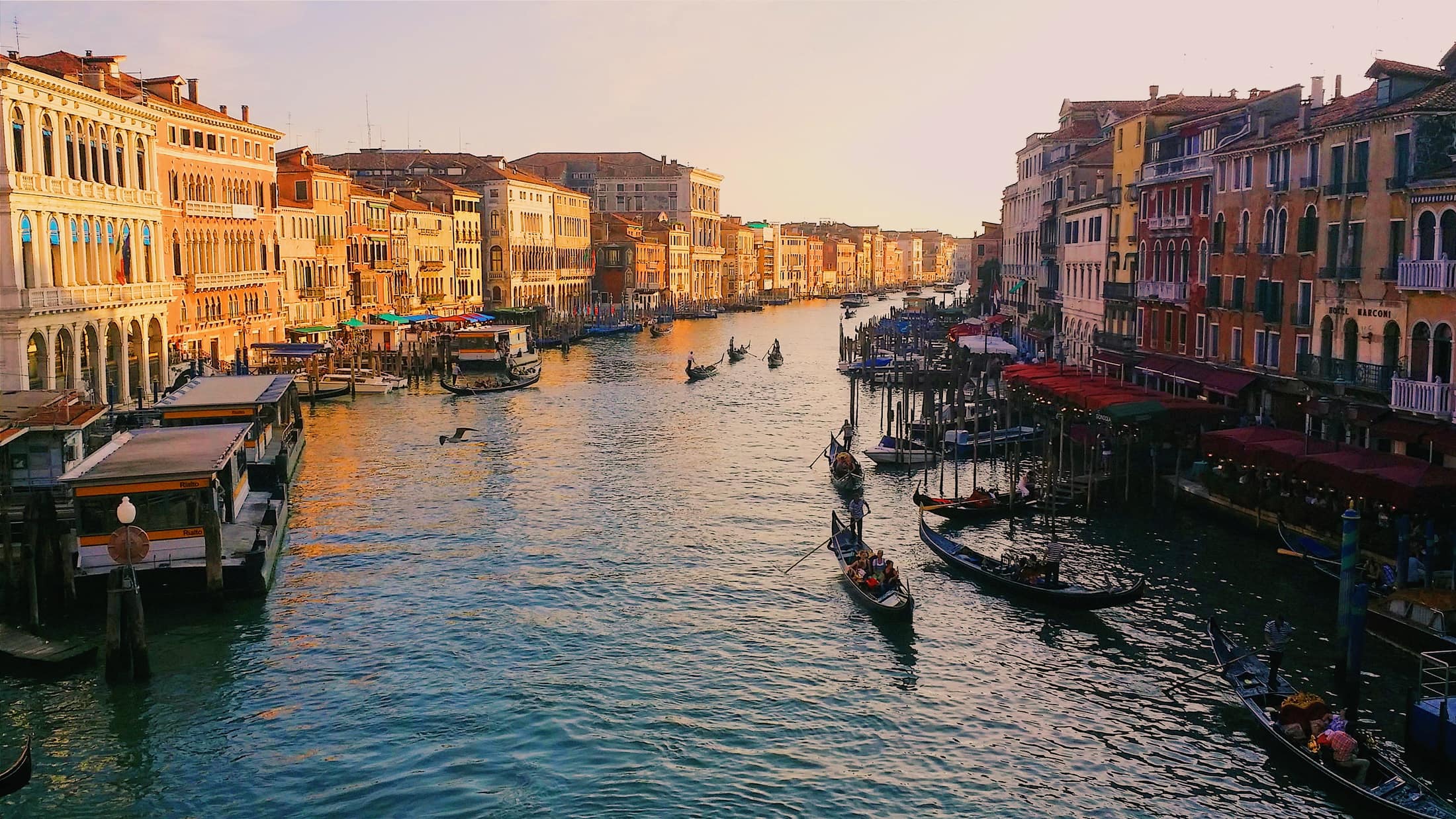
The one Italian city where a car cannot finish at the door: road transport ends at Piazzale Roma, and the rest is on foot or by water.
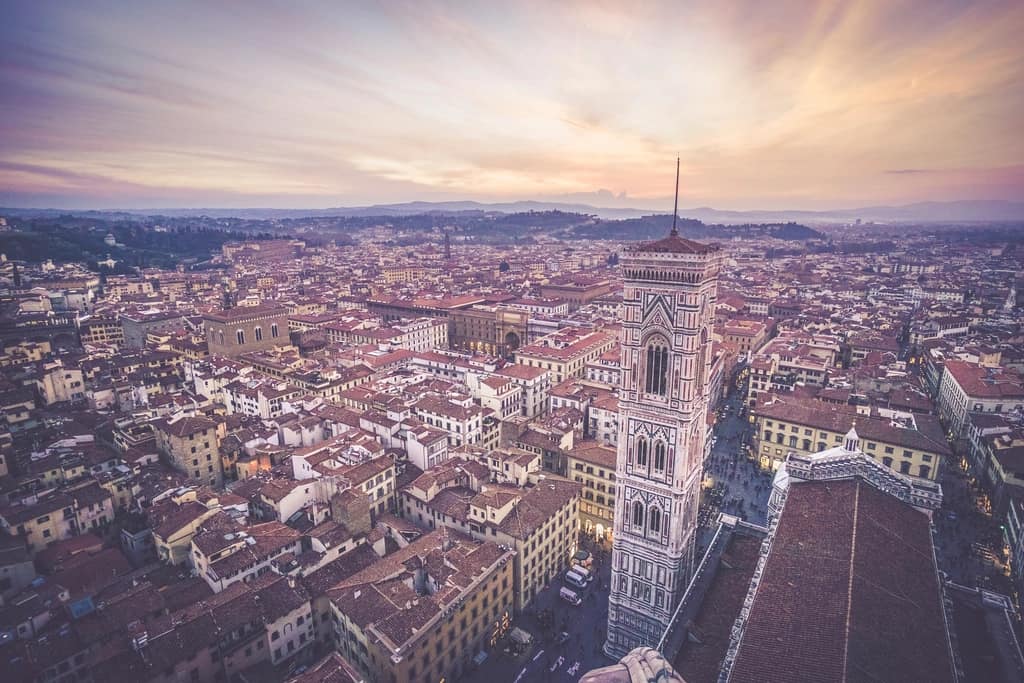
A small airport inside the urban area, a larger one at Pisa, a strictly regulated centre, and Tuscany beginning minutes past the ring road.
Two airports at opposite ends of a long region, the trulli and the masserie in between, and addresses that are often down an unlit lane rather than on a street.
A triangle with two airports at two corners and nothing at the third, three cruise calls, and towns a car cannot always be driven into.
Naming a city here means a journey to or from it can be quoted. A linked name has a page of its own; an unlinked one does not yet. Neither means a vehicle is standing by.
Arriving by air
Grouped by the part of the country they serve. Names and IATA codes were checked against each airport's own published information.
Listing an airport means a journey to or from it can be quoted. It is not a statement that a vehicle is available on a given date, and there are no terminal-by-terminal pickup procedures published here — those are confirmed for your own booking.
Between places
Not every journey is an airport run. A good share of what is asked for here is a long road journey that would otherwise be two trains and a wait.
An intercity transfer is one vehicle from the address you start at to the address you finish at. The luggage goes in once. There is no interchange, no platform, and no part of the day spent working out which train carriage you are in. It suits parties with cases, families, early starts, and anyone whose schedule does not fit the timetable.
Cross-border journeys — into France, Switzerland, Austria or Slovenia, for example — are a different proposition and are quoted route by route. Say at the time of asking that the journey leaves Italy, because it changes the paperwork, the route and whether the journey can be covered at all.
Route availability is confirmed when the journey is quoted, not when it is listed on a page. Nothing here states that a given city pair or border crossing is always covered.
Arriving or leaving by sea
Italy's cruise calls are made at working commercial ports, and the city on the itinerary is often not the city at the quayside.
Rome's cruise traffic calls at Civitavecchia, up the coast. Florence and Pisa are reached from Livorno. Venice's berths are split between the mainland port and terminals nearer the centre. In each case the name printed on your cruise documents is the thing that decides the drive, and a request to “the port” without a terminal is a request to the wrong place about as often as the right one.
Where a vehicle may wait is set by the port, not by us, and it differs between terminals. The arrangement for your own journey is confirmed when the quotation is prepared.
A day, not a transfer
Some requests are not a journey from A to B at all. They are a day: a start, a finish, and the stops you want in between.
A private day out is quoted as the whole day rather than as a fare between two points, which is why the stops matter as much as the endpoints. Tell us where you want to begin, what you want to see, and what time you would like to set off — and whether anyone in the party has a time they must be back by.
Business travel works the same way. An exhibition or conference day is usually several addresses in a particular order, sometimes with the party splitting. Send the addresses in the order you need them and the times you have to be at each.
We drive. We are not a tour operator, we do not sell tickets or admissions, and nothing here is an offer of a guided visit or of guaranteed transport during a major event.
The process
Three steps, and only the last one is a booking.
Where you are starting, where you are going, the date and the time, how many of you there are and how much luggage is coming. The more precisely the journey is described, the more exact the answer can be.
You get a price for that journey, with the arrangement set out: where the driver meets you, what the quotation covers and anything about the request that cannot be done as asked.
A journey is booked when it has been confirmed in writing, and not before. Until that point nothing is reserved and no vehicle is allocated to your date.
Sending a request is asking a question, not making a reservation. The section below sets out what to have ready before you fill the form in.
Before you ask
A quotation is only as good as the journey it describes. These are the details that change the answer.
Questions
Straight answers, including the ones that are conditional.
Both addresses in full, the date and time, the number of passengers and pieces of luggage, and the flight, train or ship number where one applies. Anything unusual — a child seat, a wheelchair, a stop along the way — is worth adding in the same message.
Yes. City-to-city journeys are quoted as a single journey in one vehicle, with no changes along the way. Availability for your date is confirmed when the quotation is prepared.
Yes, at any of the airports listed on this page and at others on request. Send the flight number as well as the time: it is what allows a late arrival to be handled rather than missed.
Yes. Send the port and the terminal or berth printed by your cruise line, with the ship's name and the date. Italian cruise berths sit inside working ports and differ in where a vehicle may wait, so the terminal is what the quotation is built on.
You can ask, and selected cross-border routes are quoted. Say that the journey crosses a border when you first write, because it affects the route, the paperwork and whether the journey can be covered at all.
Describe the whole day: where it starts, the stops you want in between, where it should end, and the time you would like to set off. A day out is quoted as a day rather than as a fare between two points.
Only when it has been confirmed in writing, with the journey, the meeting point and the conditions set out. Sending a request is asking a question — it does not reserve a vehicle and it does not hold a date.
Next step
Both addresses, the date and time, how many of you there are and how much luggage, and the flight, train or ship if one is involved. That is enough to come back with a price for the journey and the arrangement in writing.
The quotation form is where every “Request a quote” on this site leads. Sending it is a request and not a booking: nothing is reserved and no vehicle is held until a journey has been confirmed in writing and you have agreed to it.